A Complete Playground Equipment Checklist: Safety, Budget, Layout & Maintenance
Planning, installing, and managing a functional playground requires careful attention to safety standards, budget control, space layout, and long-term maintenance. A reliable playground equipment checklist eliminates oversights, complies with industry regulations, and extends the service life of play facilities. Whether you’re designing a school, community park, or commercial playground, this all-in-one checklist covers every key step to build a safe, cost-effective, and kid-friendly play space.
1. Playground Equipment Safety Checklist (Non-Negotiable)
Safety is the top priority for any playground project, directly preventing fall injuries, entrapment risks, and compliance violations. Follow this core safety checklist to meet international playground safety standards:
Equipment Material Safety: Select non-toxic, weather-resistant, and durable materials including food-grade plastic, galvanized steel, and solid wood. Avoid sharp edges, rust-prone parts, and fragile low-quality materials that crack easily under impact.
Fall Protection Compliance: Match equipment height with qualified safety surfacing such as rubber mulch, EPDM flooring, and sand cushions. Ensure the protective layer thickness meets fall height requirements to minimize injury risks.
Entrapment & Pinch Risk Check: Verify all gaps, railings, and component spacing to avoid child head and limb entrapment. Eliminate exposed pinch points on swings, slides, and climbing frames.
Age-Appropriate Design: Separate play zones for toddlers (2–5 years) and older kids (6–12 years). Toddler equipment features low height and gentle structures, while senior kid facilities avoid over-risky designs for young children.
Stability & Installation Safety: Confirm all equipment is firmly anchored to the ground without shaking, tilting, or loose bolts. Check support frames, bases, and connection parts for structural stability.
Accessibility Safety: Reserve barrier-free access for disabled children, avoid step barriers, and ensure smooth ground transitions for strollers and wheelchairs.
2. Playground Budget Planning Checklist
A reasonable budget avoids overspending and unnecessary waste while guaranteeing basic quality and safety. Use this checklist for accurate cost control:
Core Equipment Budget: List essential facilities (slides, swings, climbing walls, seesaws) and optional decorative accessories. Prioritize certified safety equipment and avoid overly cheap unqualified products.
Hidden Cost Calculation: Reserve funds for ground surfacing, installation labor, transportation, site cleaning, and drainage renovation. These hidden costs usually account for 20%–30% of the total budget.
Long-Term Cost Reserve: Budget for regular maintenance, part replacement, and annual safety inspections. High-quality equipment with low maintenance costs is more cost-effective in the long run.
Quotation & Vendor Verification: Compare 2–3 formal manufacturer quotations, confirm after-sales service terms, and avoid vague contracts that lead to extra charges.
3. Playground Layout & Space Design Checklist
Scientific layout improves space utilization, avoids crowd congestion, and enhances the overall play experience. Key layout check items are as follows:
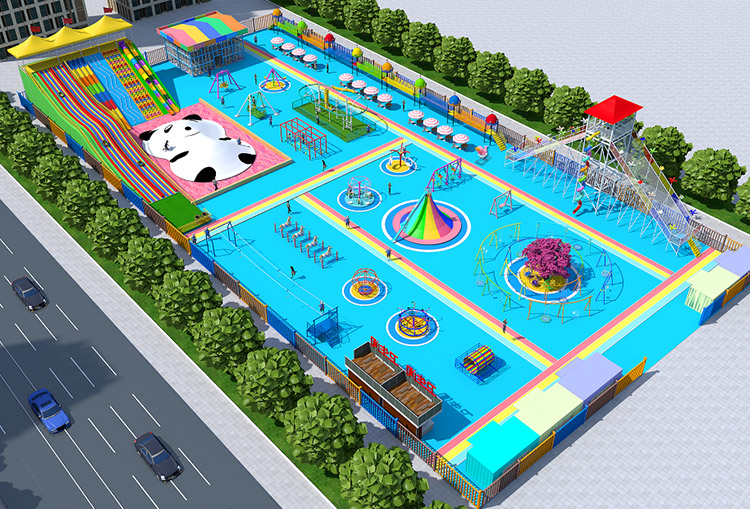
Reasonable Space Partition: Divide independent functional zones: toddler play area, dynamic sports area, rest leisure area, and barrier-free activity area. Isolate high-intensity facilities like swings from static equipment to avoid collision accidents.
Safety Distance Setting: Reserve sufficient buffer space around all equipment. No obstacles such as trees, benches, and lamp posts within the falling and moving range of play facilities.
Traffic & Sight Layout: Design smooth pedestrian passages, ensure no dead ends, and guarantee supervisors and parents can observe all play areas in real time for effective child supervision.
4. Playground Daily Maintenance Checklist
Regular maintenance prolongs equipment service life and keeps the playground safe year-round. Establish fixed inspection cycles with this checklist:
Daily Routine Inspection: Check for loose screws, damaged parts, sharp edges, and floating safety flooring. Clean surface dirt and debris to maintain a tidy play environment.
Weekly Deep Maintenance: Lubricate movable parts such as swing chains and seesaw bearings, fasten loose connectors, and check for rust and component wear.
Seasonal & Annual Inspection: Conduct comprehensive safety detection before rainy and winter seasons, deal with rust and waterlogging problems in time, and arrange professional annual safety certification inspection.
Timely Replacement & Repair: Replace severely worn, cracked, and aging parts immediately. For damaged equipment that cannot be repaired, suspend use and update it in time to eliminate safety hazards.
A qualified playground construction and management project relies on systematic inspection of safety standards, budget arrangement, space layout, and daily maintenance. This complete playground equipment checklist helps project managers, school administrators, and community builders avoid common mistakes, build compliant, safe, and durable play spaces, and provide children with a secure and happy activity environment.