Non-powered Amusement Park Planning: A Complete Guide to High-ROI Family Entertainment Spaces
Non-powered amusement parks are rapidly emerging as the new cornerstone of the family entertainment industry. Unlike traditional amusement parks that rely heavily on electricity and mechanical drives, non-powered parks utilize equipment that operates solely through human activity or natural forces such as gravity and wind—including climbing nets, slides, swings, rope courses, and balance beams.
In 2025, the non-powered amusement market in China reached approximately 120 billion yuan, with projections suggesting it will grow to 250 billion yuan by 2030, representing a compound annual growth rate of roughly 13%. The market is expected to surpass 120 billion yuan in 2025 with an annual growth rate of 8% to 18.2%, with non-powered equipment accounting for approximately 28% of overall market share.
This growth is driven by multiple factors: rising health-consciousness among families, government policies supporting child-friendly city initiatives and rural revitalization, and the inherent advantages of non-powered equipment—including lower investment thresholds, shorter payback periods, reduced maintenance costs, and seamless integration with natural environments.
Core Principles of Non-powered Park Planning
Safety First
Safety must be the absolute priority. All equipment should comply with national standards including GB/T 39222-2020, GB 34272-2025 (effective May 1, 2026), and GB/T 27689-2025. Facilities should be designed to accommodate users of different ages and physical abilities, ensuring durability and consistent safety performance. Materials should be non-toxic, weather-resistant, and free of sharp edges or hazardous protrusions.
Clear Target Audience & Theme Positioning
Before any design work begins, define your primary audience—whether focused on children, teenagers, or all age groups. For younger children, prioritize simple, safe climbing and sliding elements. For family-oriented spaces, incorporate interactive equipment that encourages parent-child engagement. Choosing a compelling theme based on local customs, cultural characteristics, or trending IP can create a unique identity that drives social sharing and viral marketing.
Functional Zoning & Visitor Flow
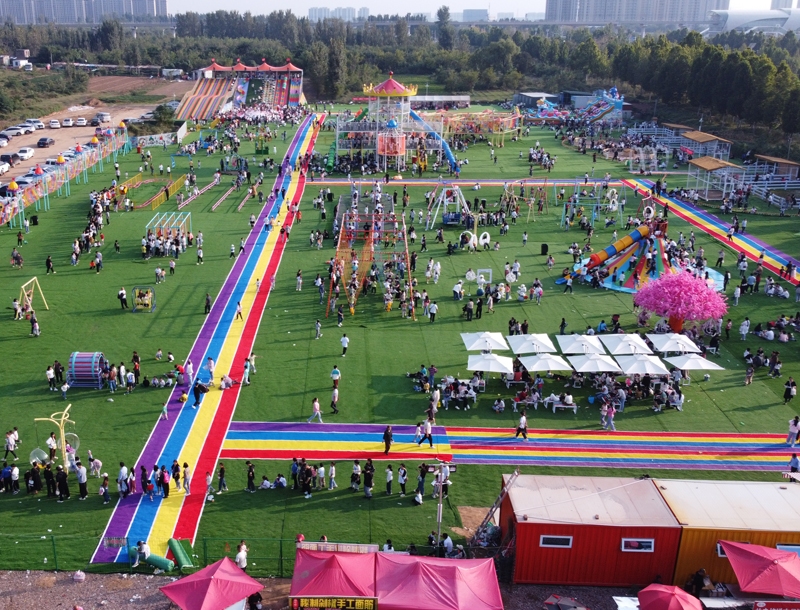
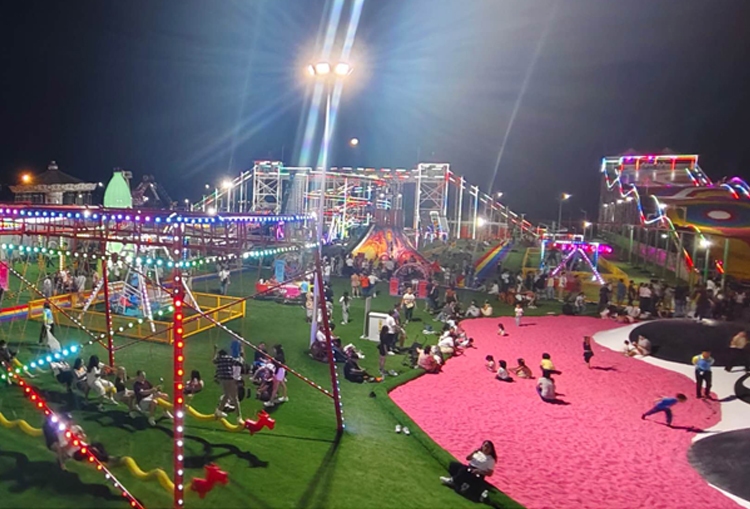
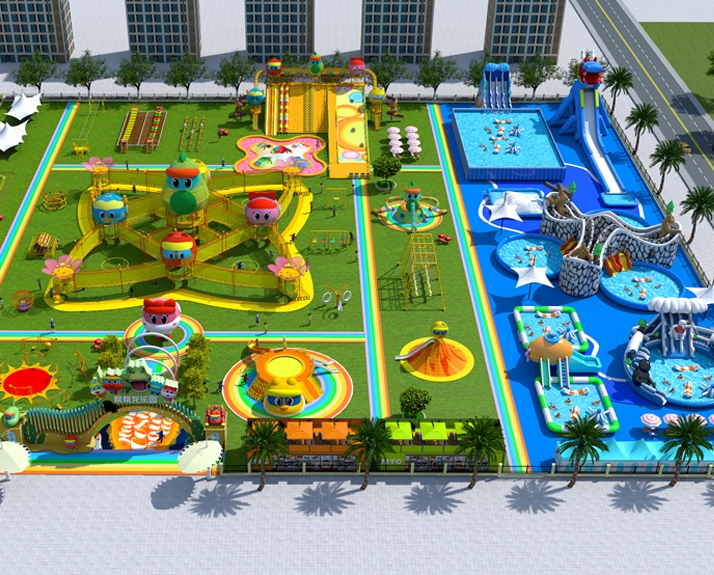
Divide the park into distinct functional areas: children’s activity zones featuring climbing structures and slides, sports and competition areas with balance beams and obstacle courses, exploration zones combining physical activity with educational elements, sensory experience areas utilizing water and sand play, and rest/social zones equipped with seating and shaded areas.
Visitor flow should follow a “guided exploration” principle, with primary pathways linking major attractions and secondary paths connecting individual facilities. Using circular routes to connect equipment prevents cross-traffic while creating a seamless experience.
Non-powered Equipment Selection: Building a Comprehensive System
Classic Foundational Equipment
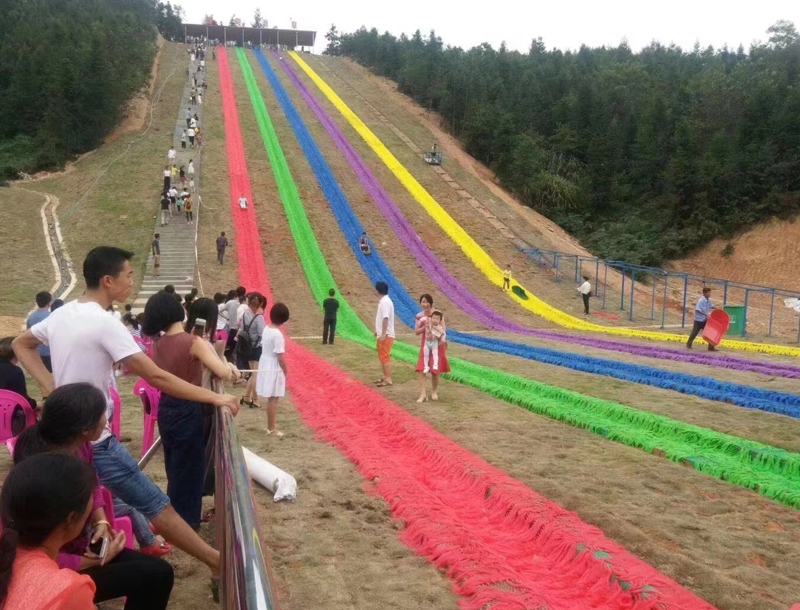
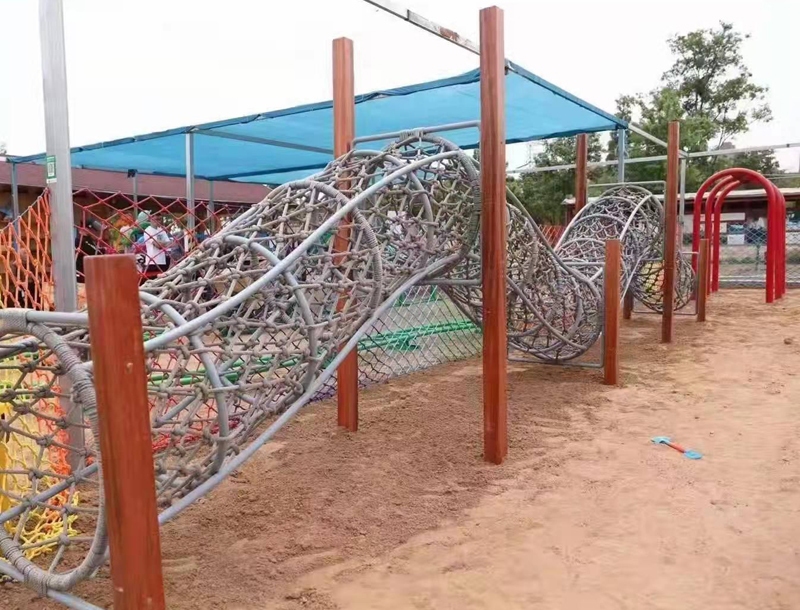
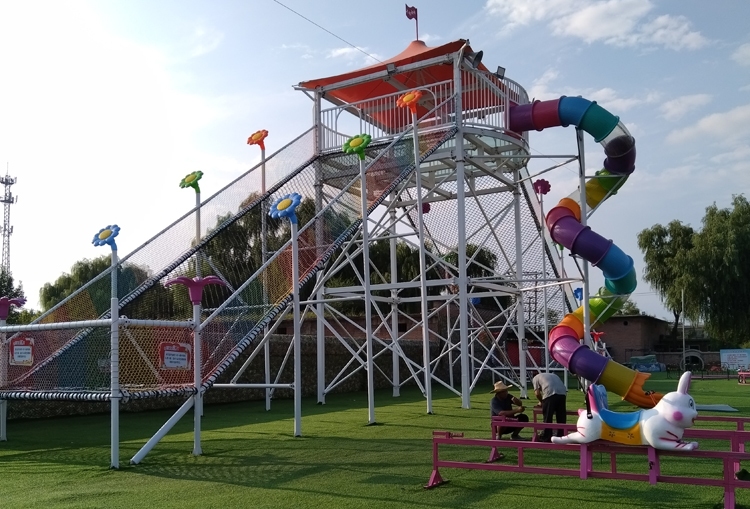
These form the backbone of any non-powered park and include climbing structures (climbing nets, rock walls, climbing frames), sliding equipment (straight slides, wave slides, spiral slides, ziplines), and swinging apparatus (single and multi-person swings, seesaws, spring riders).
Challenge & Expansion Equipment
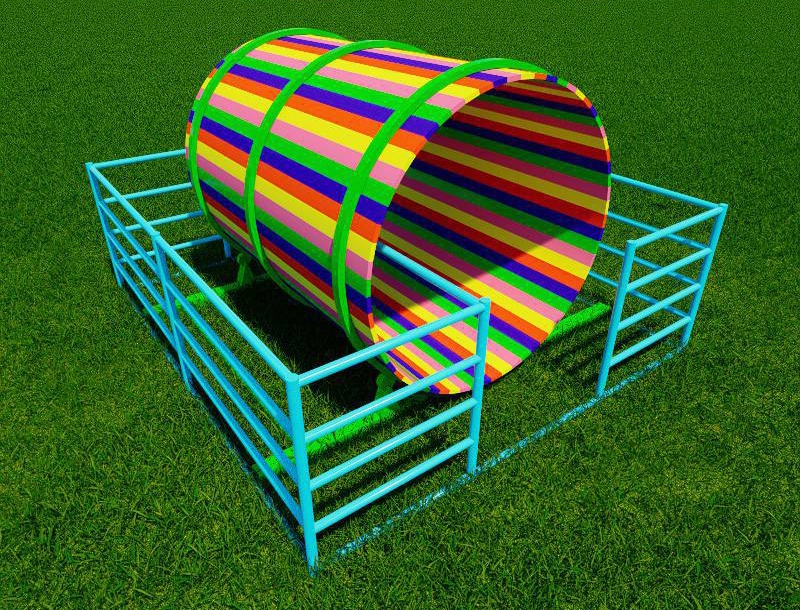
This category includes comprehensive obstacle courses combining balance beams, crawling tunnels, and aerial walkways—ideal for adventure-focused zones—as well as high-altitude challenge courses like jungle gyms and rope bridges that appeal to older children and adults.
Interactive & Themed Custom Equipment
Sand-and-water play areas, multi-person collaborative devices, and custom-themed combination equipment should not be overlooked. Multi-person swings and collaborative spinning equipment enhance social interaction, while themed designs—such as castle-shaped slides or animal-inspired climbing frames—boost visual appeal.
Cost-Saving Operation Strategy
From an operational standpoint, maintenance costs for non-powered amusement park equipment are roughly one-third those of traditional powered rides, with service lives exceeding ten years. Investment thresholds are moderate (approximately 800–1,200 yuan per square meter), and with an average daily foot traffic of 200 visitors, payback periods of two to three years are achievable. Small parks covering 1–3 mu require initial investments of roughly 200,000–500,000 yuan, while medium-sized parks of 5–10 mu have budgets around 800,000–1.5 million yuan.
Partner with Zhengzhou Huajin Amusement Equipment Co., Ltd.
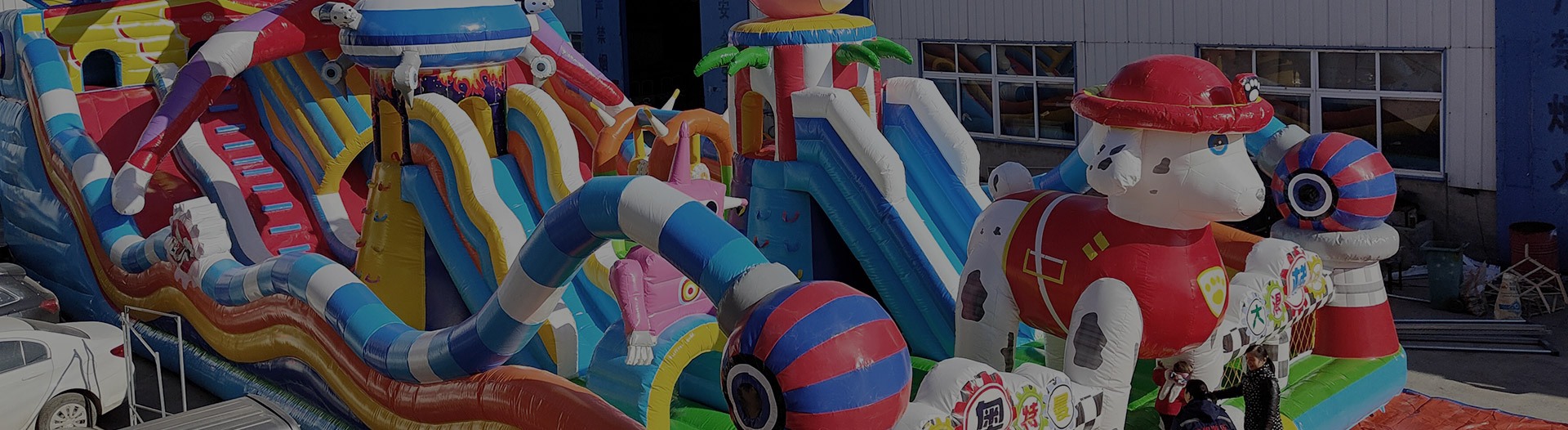
Zhengzhou Huajin Amusement Equipment Co., Ltd. is a professional manufacturer specializing in the research, development, production, and sales of children’s amusement equipment. The company’s core product lines include a wide range of non-powered equipment: the highly photogenic Rainbow Slide, the cloud-like Trampoline Cloud, Three-dimensional Needle Sculpture, Shouting Fountain, Children’s Trampoline, Inflatable Castle, Inflatable Bed, and various climbing structures.
The company has built a reputation for delivering professional service and novel amusement solutions. Its product portfolio has expanded significantly to meet the demand for innovative and safe non-powered entertainment, with a growing presence in scenic areas and commercial venues.
What sets Huajin apart is its integrated approach: the company is not merely a product supplier but a full-service partner capable of providing customized solutions. For theme parks, scenic areas, and commercial developments seeking to incorporate non-powered attractions, Huajin delivers end-to-end support from planning and production through to installation.
Non-powered amusement park equipment represent a major opportunity in the family entertainment sector. By combining safety, sustainability, innovative design, and family-friendly operation, they are poised to become premier destinations for everyday leisure and social interaction. Choosing an experienced equipment provider like Zhengzhou Huajin ensures your project is executed with the highest standards of quality and professionalism.