Non-powered Playground Planning: How to transform a site of over 20 mu into a popular park that attracts visitors year-round?
Many investors ask what kind of attractions they should purchase to ensure their park attracts visitors year-round. In reality, a successful park is not merely a collection of rides; it requires strategic planning based on the seasons, visitor needs, and the overall experience offered by the attractions.
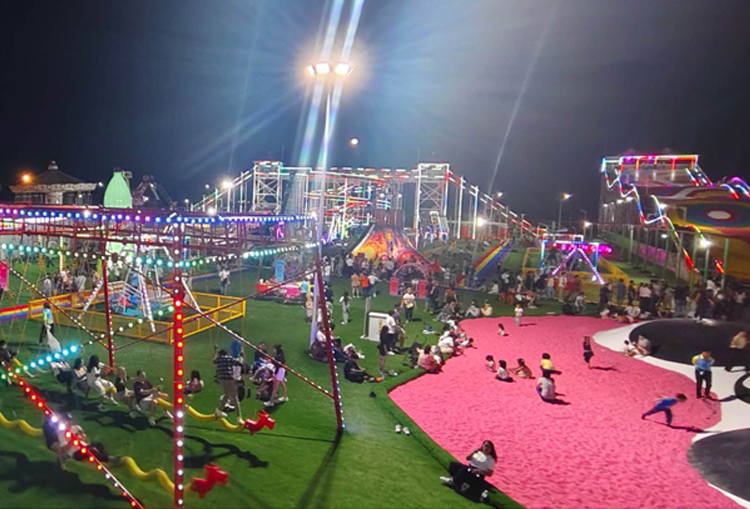
Today, I am sharing a planning case study for a non-powered amusement park spanning over 20 *mu* (approximately 1.3 hectares). It demonstrates how a well-planned mix of diverse attractions can entice visitors to return throughout the spring, summer, autumn, and winter.
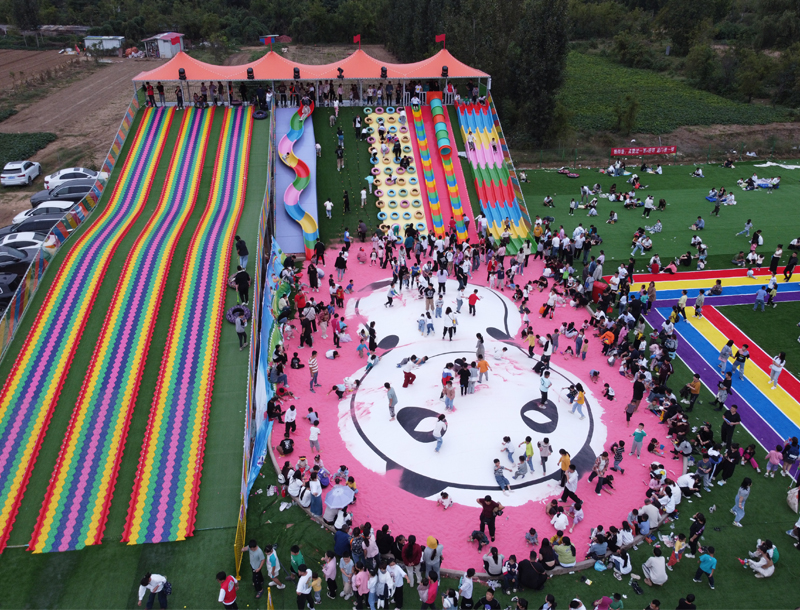
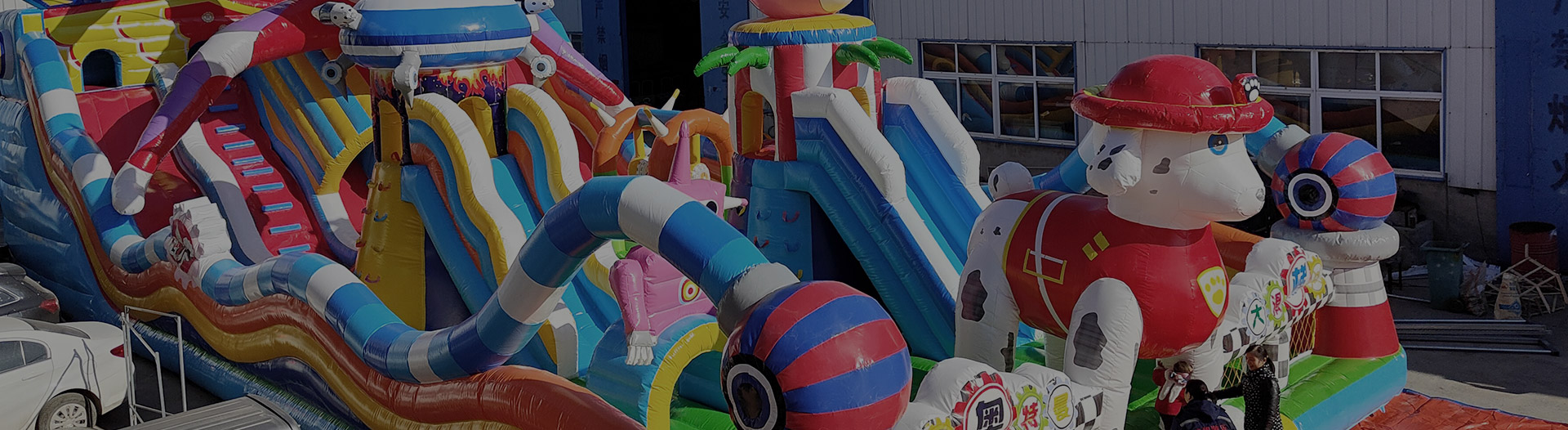
Summer marks the peak season for the family-oriented theme park, so the planning phase prioritized the creation of several hit summer attractions. For instance, the "Boys vs. Girls Dash" themed obstacle course features multiple challenges designed to boost competitiveness and interactivity, making it ideal for both group tours and families.
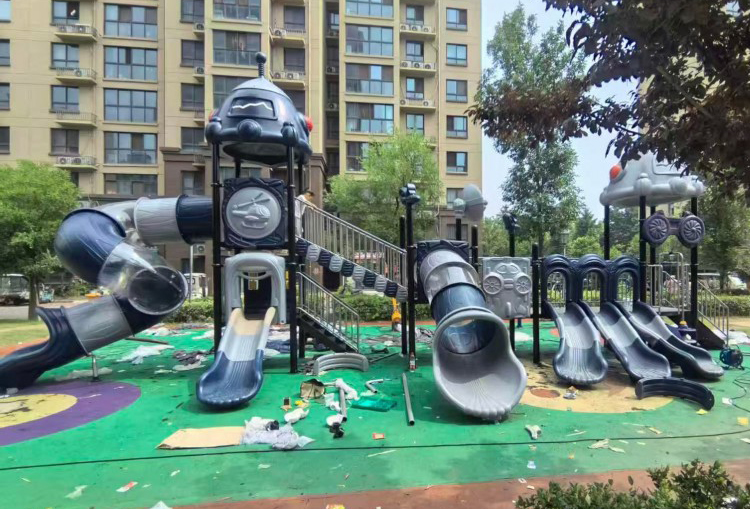
These are complemented by popular attractions such as the "Sea-Land-Air" twin towers and the glass water slide. The glass water slide, in particular, offers a thrilling experience and enjoys high visitor engagement, often drawing long queues. A variety of other facilities—including a 100-meter rainbow slide, climbing slides, a family obstacle course, and large-scale slides—cater to the recreational needs of visitors across all age groups.
Beyond summer-specific attractions, the planning of a non-powered amusement park must prioritize year-round operation. Consequently, incorporating popular, "Instagrammable" attractions helps extend the time visitors spend in the park.
Features such as the pink Peppa Pig-style castle, a trendy wishing tree plaza, swing sets, a panda-themed double-dome "jumping cloud," a volcano climbing wall, and a suspended climbing structure appeal not only to children but also to parents—encouraging them to take and share photos, thereby boosting the park's online visibility.
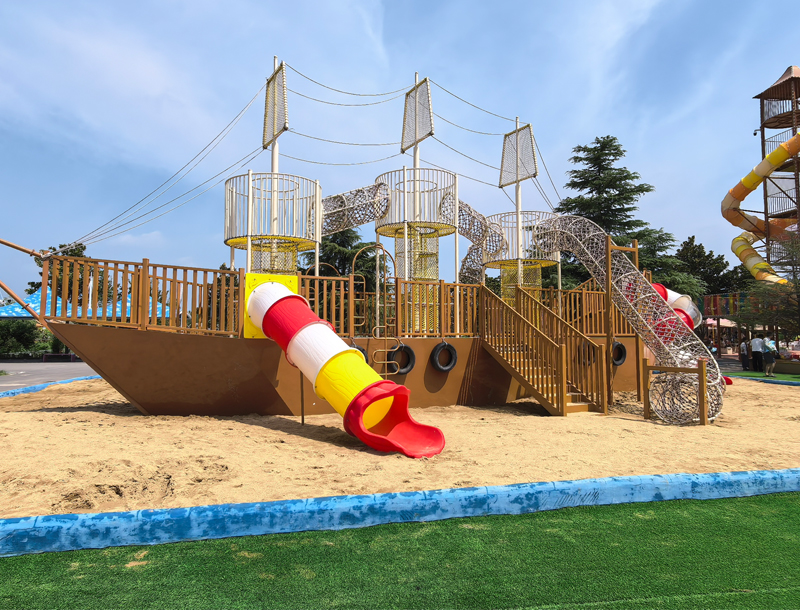
For mid-sized attractions, interactive equipment—such as a 32-person "viral" swing or an 8-person non-powered pirate ship—can be installed to facilitate group participation and enhance the overall fun factor.
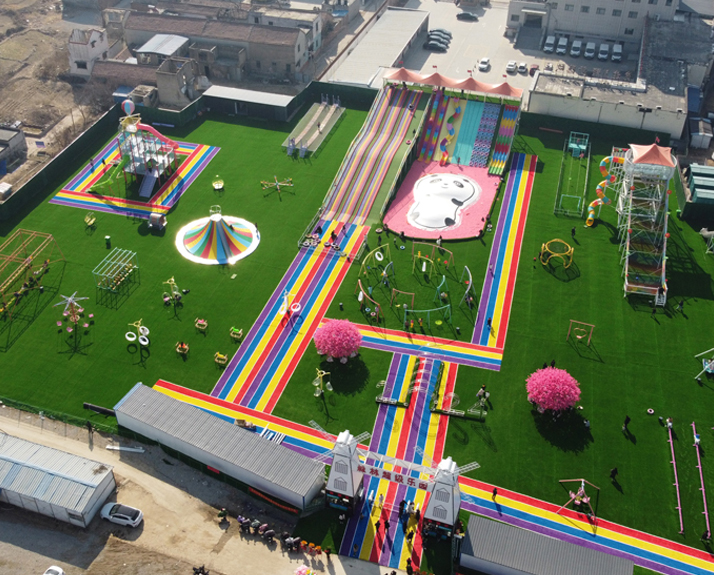
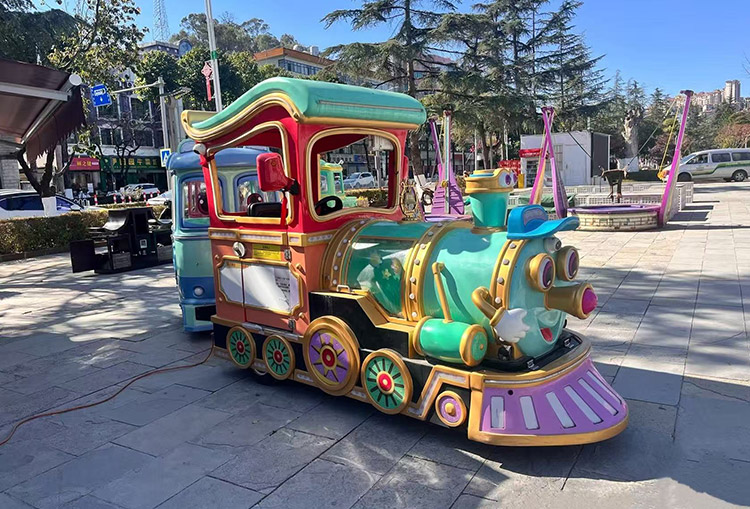
Smaller attractions—such as rotating astronaut rides, animal-shaped seats, "Piggy Dash" tracks, mini pendulum rides, spring riders, rainbow rollers, and multi-person bicycles—can enrich the visitor experience. These rides have a flexible footprint and can be distributed across various areas of the park, ensuring there is something for visitors to enjoy wherever they go.
Additionally, incorporating performance stages—featuring NPC interactions, festive events, and family-oriented shows—can further boost visitor engagement, transforming the park from a simple amusement venue into an immersive experience.
The core of a successful non-powered park plan lies in creating a combination of "hit attractions," "interactive experiences," and "year-round operations." Whether it is a scenic area, a farm, a campsite, or a comprehensive cultural tourism project, a well-planned facility can consistently attract visitors.
Huajin Amusement boasts nearly 20 years of experience in manufacturing amusement equipment, offering a one-stop solution that covers everything from initial site planning and thematic design to equipment production, installation, and after-sales service.
If you have a site and wish to create your own non-powered amusement park, we can provide professional planning tailored to the area and local market conditions, enabling you to generate greater commercial value from the available land.