What is the difference between "trendy play centers" and traditional indoor playgrounds?
As more investors look into opening children's amusement venues, "trendy play centers" are gaining significant attention. Compared to traditional indoor playgrounds, these trendy centers place greater emphasis on thematic design, interactive gameplay, and the overall experience. So, what exactly sets them apart, and how should you choose which type to open? Let’s break it down in plain, simple terms.
1. Differences in Equipment Configuration
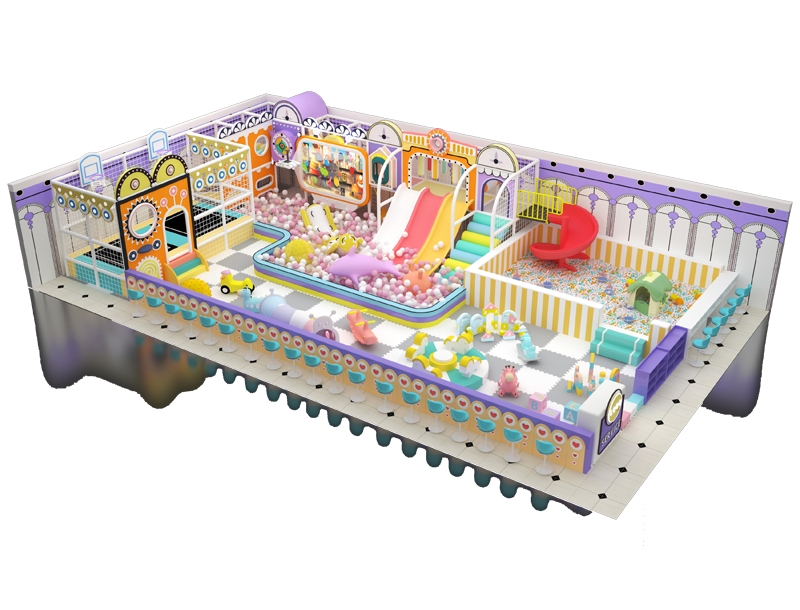
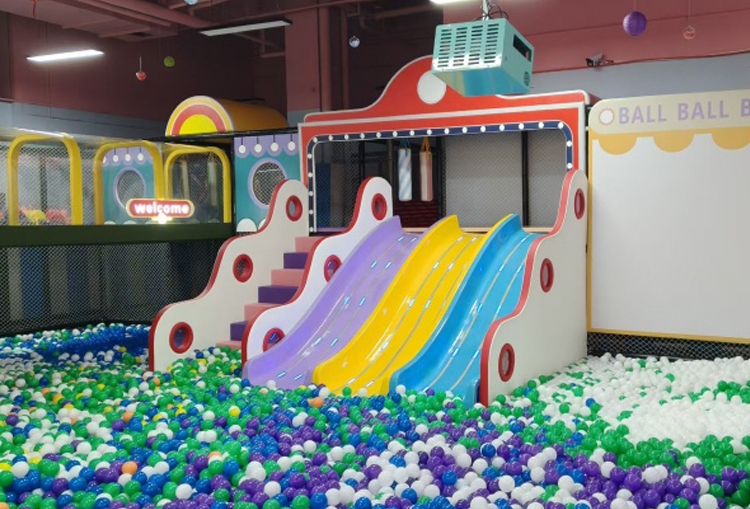
Traditional indoor playgrounds focus primarily on basic play activities. Common equipment includes ball pits, slides, trampolines, climbing nets, crawl tunnels, and soft-padded obstacle courses, making them suitable for younger children.
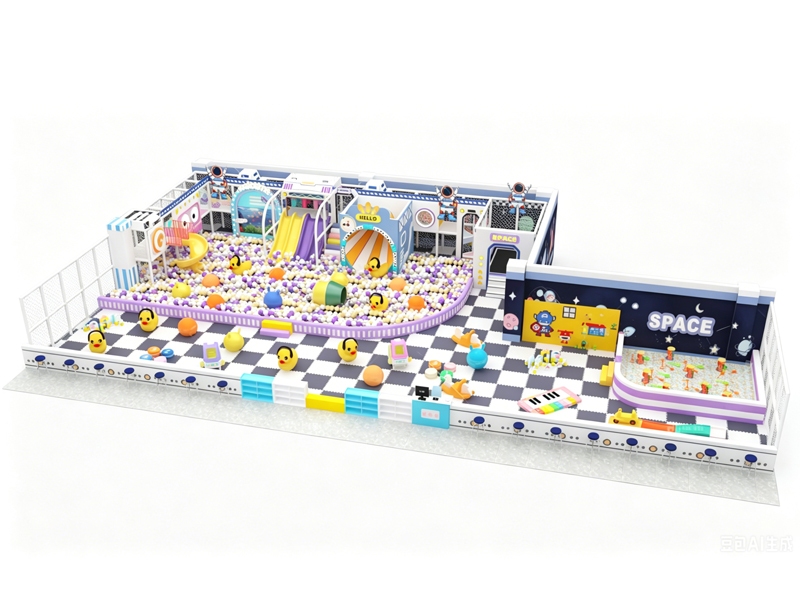
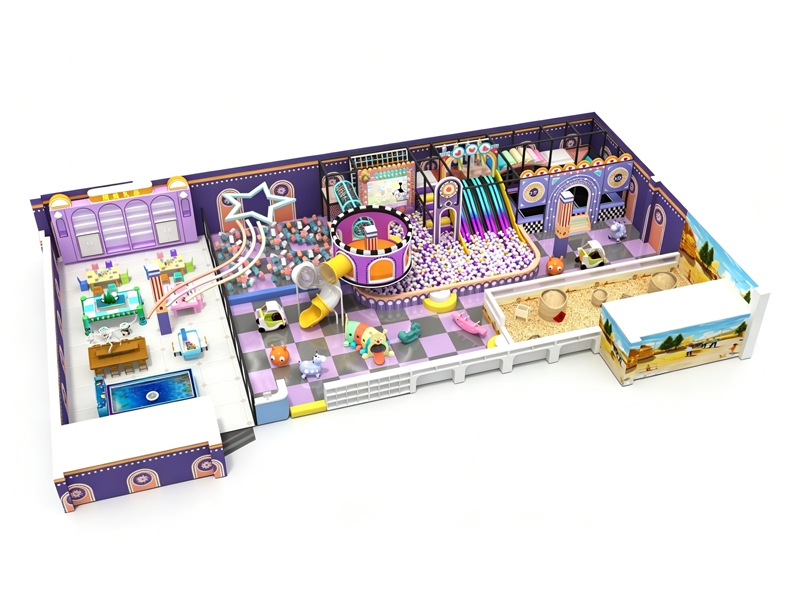
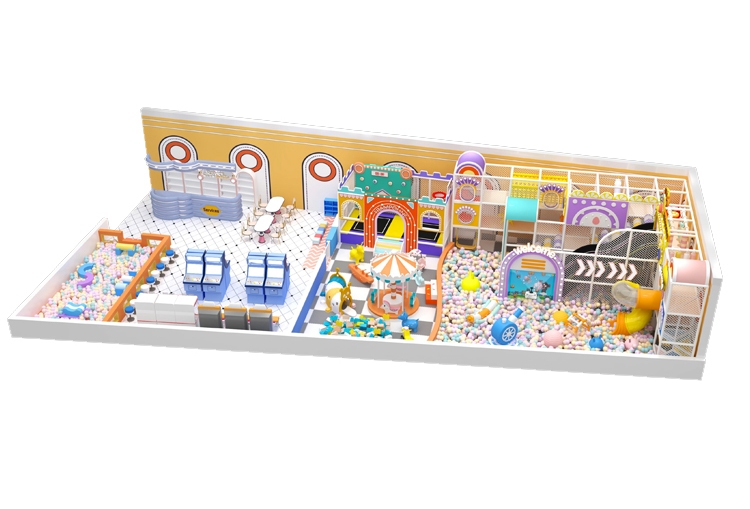
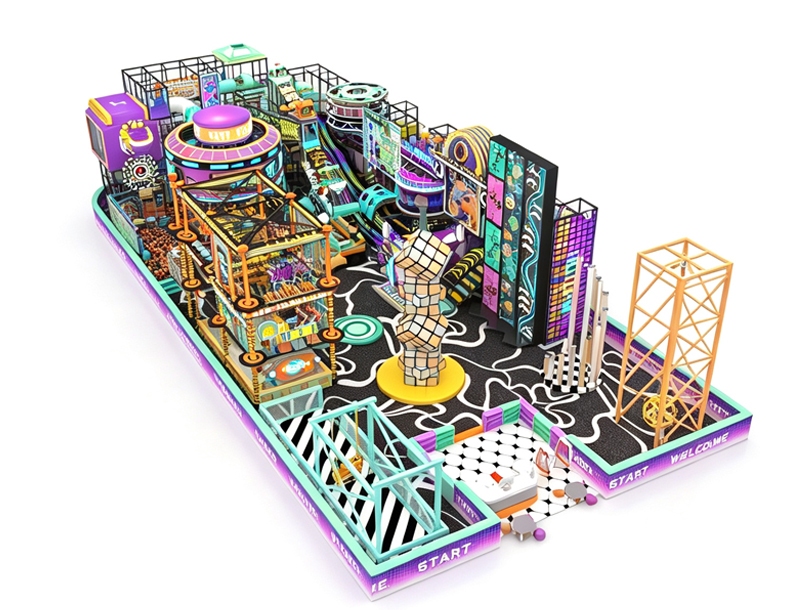
Indoor playgrounds found in modern "trend-focused" entertainment centers place greater emphasis on a mix of play experiences. In addition to traditional equipment, they may incorporate interactive projections, illuminated slides, obstacle courses, role-playing areas, and parent-child interactive activities, offering children a wider range of choices.
In short, while traditional playgrounds primarily meet basic play needs, modern trend-focused playgrounds prioritize a more diverse and varied experience.
2. Differences in Thematic Design
Traditional indoor playgrounds typically feature bright colors and cartoon-style designs, aiming primarily to appeal to children.
Modern trend-focused playgrounds place greater emphasis on the overall spatial design. They often create distinctive environments based on themes such as space, forests, or the ocean, using lighting, color, and décor to enhance the venue's appeal—making it easy for parents to take and share photos.
However, the design should not focus solely on aesthetics; it must also take into account safety, circulation space, and ease of daily cleaning.
3. Differences in Business Models
Traditional indoor playgrounds primarily cater to young children. Common business models include single-visit tickets, multi-visit passes, and membership cards; they are well-suited for residential communities, shopping malls, and children's play centers in smaller towns.
"Trendy" play centers (or modern indoor playgrounds) can incorporate parent-child interactive activities, birthday parties, and holiday-themed events based on their specific market positioning, thereby diversifying the consumer experience. However, a greater number of attractions does not guarantee better business performance; the facility must be reasonably configured based on the local customer base and their spending power.
4. Differences in Investment Budgets
Traditional indoor playgrounds feature relatively simple equipment configurations, making them suitable for investors with limited budgets or smaller venues.
Modern "trendy" play centers may involve thematic design, interactive equipment, and distinctive décor, potentially resulting in a higher overall investment. Specific costs depend on the venue size, quantity of equipment, material specifications, and fit-out standards.
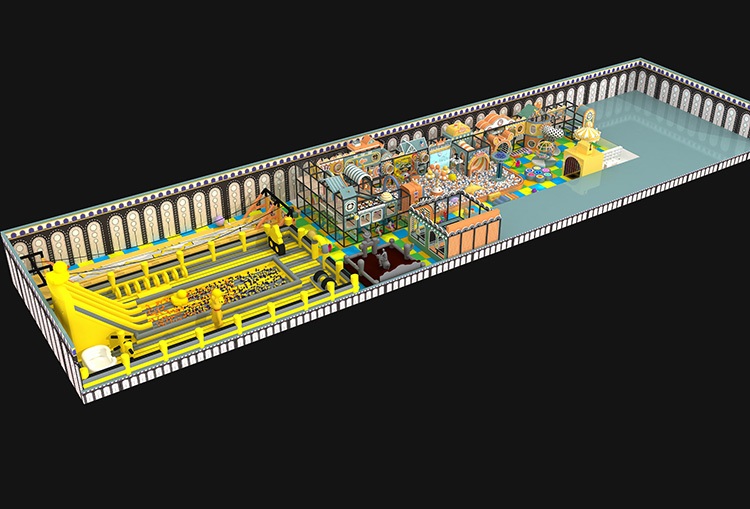
It is recommended to establish a budget before proceeding and to have the manufacturer design the layout based on the venue's dimensions; this helps avoid the indiscriminate addition of equipment, which could lead to wasted space.
5. How to Choose a Manufacturer for "Trendy Play" Indoor Playgrounds?
When sourcing equipment for "trendy play" indoor playgrounds, it is advisable to select a direct manufacturer with proven production capabilities and project experience. Beyond merely reviewing renderings, one should evaluate material specifications—such as steel tubing, soft padding, and paneling—as well as safety design, installation procedures, and after-sales service.
Zhengzhou Huajin Amusement Equipment Co., Ltd. offers consultation and customization services for investors in children's playgrounds, curating the ideal mix of indoor playground equipment based on venue size, investment budget, and operational positioning.
In summary, while traditional indoor playgrounds prioritize basic play functions, "trendy play" versions emphasize thematic design and interactive experiences. Investors should select a solution that aligns with their venue, target audience, and budget to create a distinctive playground that supports long-term operational success.